University Improves Carpet Care
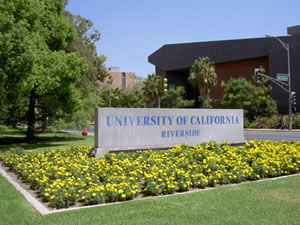
The University of California, Riverside, has reduced costs
and improved the care and maintenance of its carpeting,
protecting its investment, by switching to carpet encapsulation
cleaning.
The University of
California, Riverside (UCR) is
one of 10 general campuses of
the University of California system. With
an average undergraduate enrollment
of around 20,000, UCR’s foot traffic
increases each year.
When UCR hired new Assistant
Director of Custodial and Housekeeping
Services Aaron Uresti, he brought along his
experience using the carpet encapsulation
cleaning method from another university
and showed his team the benefits of using
this process, rather than the carpet bonnet
machines and method they had traditionally
been using.
In June 2018, UCR ordered six Whittaker
Smart Care® TRIO systems for
interim maintenance. The TRIO features
three counter-rotating brushes for greater
mechanical action, and is available in
various widths to accommodate cleaning
requirements. With a low-fatigue
machine-mounted solution tank and
lite-touch control, the ergonomic and
easy-to-use TRIO helps staff maintain
carpet in a safer, more productive, and
cost-effective way.
“Using a Whittaker machine is as
simple as vacuuming, and our staff really
appreciates that,” says Ray Varela, custodial
supervisor, UCR. “The machines are
well built and easy to maintain.”
The machines also arrived with the
chemistry needed to perform interim
cleaning, deep cleaning, and spot and stain
removal.
UCR experienced numerous benefits
after switching to Whittaker’s carpet
cleaning system, including increased
productivity, improved carpet appearance,
cost savings, and peace of mind.
“From its incredible customer service to
its well-made machines, we’ve had a great
experience with Whittaker so far and look
forward to working with them more,” adds
Varela.
whittakersystem.com
This article originally appeared in the College Planning & Management July/August 2019 issue of Spaces4Learning.