Before the Snow Falls
- By Teddy Williams
- 09/01/19
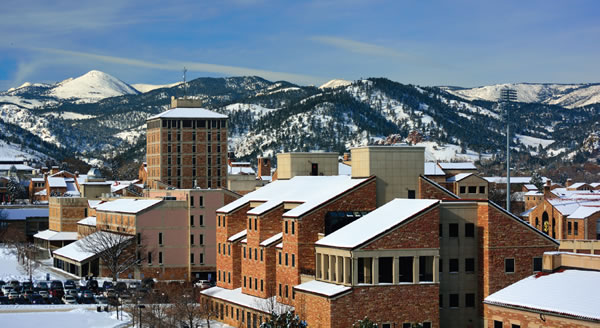
PHOTO © JEFF ZEHNDER
Winter is right around the corner.
With the changing seasons comes freeze-and-thaw
cycles, falling pine needles and leaves, organic
growth, and harsh weather conditions that can wreak havoc on a
building or structure’s exterior if that exterior is not maintained
properly. Conducting an annual fall building inspection will help
to identify potential maintenance issues before they become problematic
and lead to costly repairs for the owner.
“Maintenance of buildings or structures, whether it be the
interior or exterior, horizontal or vertical construction, or a
high-rise or single-story, is a necessity across the country,” says
Bob Gender, branch manager, Western Specialty Contractors.
“Many times, a quick check today on your properties can help save
building owners and managers headaches during the harsh winter
months ahead when getting repairs done can be complicated by
low temperatures.”
Facility managers can protect their buildings and structures
throughout the winter by identifying a few red flags early in the fall
and addressing those problem areas quickly and effectively before
the winter sets in, says Gender.
Repairing and Protecting Concrete
In the winter, freeze-and-thaw cycles can cause big problems
with concrete structures. When water infiltrates concrete, it can
freeze, causing the water to occupy nine percent more volume than
in its liquid state. This expansion causes distress on the concrete,
which can lead to fractures that will continue to grow exponentially
as saturation of the material increases.
A wide range of restoration, repair, and reinforcing services are
offered by certified specialty contractors, who can repair cracks,
spalls, rust spots, deterioration, pot holes, and heaves in concrete
and masonry. More often than not, concrete repairs are made
before they become a more serious or costly issue, but there are
measures that facility managers can take to actually prevent future
damage. Applying hot-applied or below-grade waterproofing and
urethane or acrylic protective coatings to traffic decks, pedestrian
areas, or exterior façades will extend the life of the repair, protect
adjacent areas that are currently in good condition, and significantly
improve the aesthetics of the area treated.
For facilities with a concrete parking structure, the fall is an
ideal time to survey for damage. Vehicles regularly entering parking
garages leave water, oil, and muck behind. Not to mention salt
and deicers tracked in during the winter months that can corrode
the structure’s concrete and steel support system.
An ineffective maintenance routine on a parking structure can
quickly lead to costly repairs and restorations that can be disruptive
to tenants and cause unexpected costs and safety concerns.
All types of parking structures are subject to deterioration. Experts
have identified five key indicators that a parking garage is in
need of preventative maintenance: water leakage; ponding water;
expansion joint failure; exposed rebar; and delaminated, spalled,
or horizontally/vertically cracked concrete.
An experienced concrete maintenance and restoration specialist
can identify specific problem areas and recommend a repair
plan and maintenance schedule for the structure.
Preventing Unwanted Water Leakage
The exterior walls of a building can be a significant source of
unwanted water leakage. It’s easy to forget how many openings
are required in commercial or institutional building walls—from
plumbing and irrigation connections to lighting, HVAC system
elements, exhaust vents, air intakes, joints around windows and
doors, and fire alarms, to name a few.
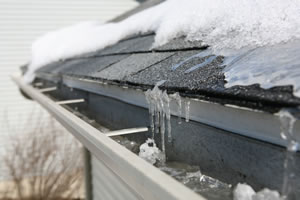
PHOTO © SUZANNE TUCKER
There are also unplanned holes caused by aging brick joints
that need re-pointing, vanishing sealants, damage from acid rain,
and settling cracks. All wall penetrations provide easy access for
water, bugs, field mice, birds, or other unwanted pests to enter a
building and cause damage.
Checking for changes in a building since last year is also recommended.
Do you have abandoned pipe penetrations from an upgrade? A
new demo? Or maybe just a deteriorated building joint which can make
the building joint vulnerable to the elements and unwanted pests?
If a building is seriously damaged, specialists may be needed
to bring a wall system back up to its expected performance level.
Regular inspections by the property manager or a trained professional
will help identify these potential problems early and save
the owner money.
Protecting the Roof
The fall often brings falling leaves, pine needles, and organic
growth on building rooftops. A commitment to good roof maintenance
practices can help facility managers avoid overflowing gutters,
clogged downspouts, and excessive ponding water which can
lead to costly roof, façade, and foundation damage. A weekly routine
roof inspection is recommended during this time of the year.
Decaying leaves, pine needles, and dirt run-off can all contribute
to ponding water and clogged gutters and downspouts, which is why
it is essential that all roof drains remain clear of obstructions. In
addition to the risk of water pouring into occupied spaces should a
breach in the roof occur, the freezing and thawing of ponding water
during the fall and winter months can cause extensive roof damage.
Make sure that all organic debris is completely removed from
gutters, downspouts, and drains before the winter arrives.
This article originally appeared in the College Planning & Management September 2019 issue of Spaces4Learning.
About the Author
Teddy Williams is a content marketing manager at Western Specialty Contractors (www.westernspecialtycontactors.com), the nation’s largest specialty contractor in masonry and concrete restoration, waterproofing, and specialty roofing. Western is headquartered in St. Louis, MO.