College of the Redwoods Approves Solar Deal
- By Dian Schaffhauser
- 10/22/20
A community college in northern California has projected a savings of $4.2 million over the next 20 years from an implementation of solar. The College of the Redwoods Board of Trustees recently approved a proposal from ForeFront Power to install a 2.1 megawatt system and 500 kilowatt battery storage unit. The implementation will cover about three acres of open field on the campus, a third of the campus parking and the roof of a learning resource center.
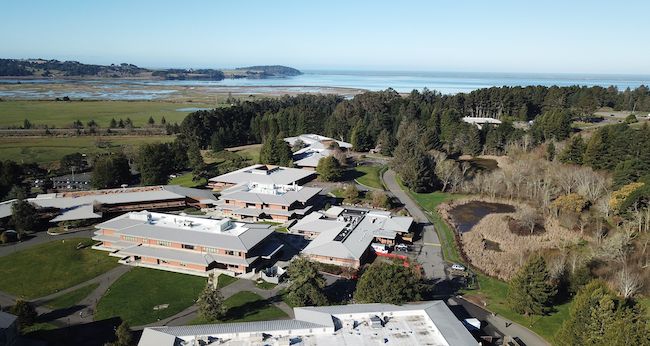
When fully deployed, the solar power will provide about 90 percent of the power needed by the Eureka-based main campus. Construction will start after a feasibility study by utility PG&E is completed. That's expected to take about a year. Installation will take an additional three months.
The deal eliminates capital outlay. Forefront will design, construct, own, operate and maintain the grid. The college will buy its power from the company for a flat rate for the next two decades. At that point, the college district will take ownership of the system.
The agreement includes a performance guarantee. Should there be any period when the grid fails to generate sufficient power to meet the 90 percent threshold and the college has to buy additional power from PG&E, ForeFront will cover the difference in pricing.
The school also hopes to make the grid a "living lab" as part of its Solar Technology program, with students serving internships and getting fellowships. ForeFront will also give the school renewable education resources.
"The number of jobs in solar energy is rising exponentially in California, and this project will give our students real-word insight into the knowledge and skills necessary to excel in this growing field," said Kerry Mayer, the college's dean of career education, in a statement.
"Our trustees know that expanding the use of solar power will not only provide a reliable energy source for the campus and a platform for additional academic programming, but it will also help mitigate the problems associated with climate change," added President Keith Flamer.
About the Author
Dian Schaffhauser is a former senior contributing editor for 1105 Media's education publications THE Journal, Campus Technology and Spaces4Learning.