Schools In Focus: Indoor Air Quality
- By Yvonne Marquez
- 01/15/21
Schools In Focus is a podcast dedicated to the design, planning and management of educational facilities and campuses. Listen in as we chat with industry experts, facility managers, architects, security and safety professionals, and other thought leaders. Catch up on previous episodes here.
Today's episode is on indoor air quality in classrooms during the COVID-19 pandemic.
Schools In Focus, Episode 10: Indoor Air Quality
COVID-19 continues to be a health risk to in-person learning at schools and universities. While we wait for more and more people to get vaccinated to obtain herd immunity, schools still need to prioritize clean and safe facilities for students, teachers, and staff. One way schools and universities can mitigate the COVID-19 risk is to utilize their HVAC systems to circulate clean fresh air.
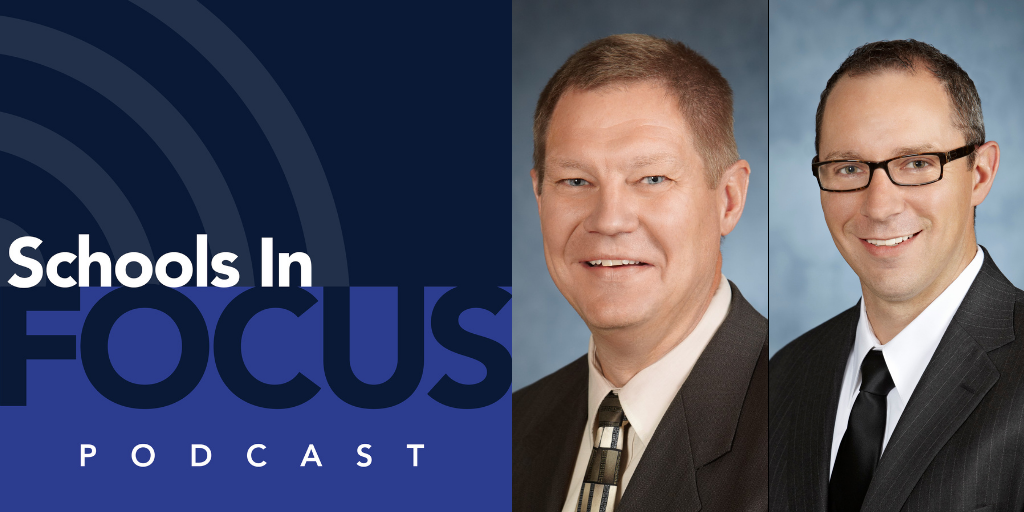
In this episode, I spoke with Mike Wolf, Director of Regulatory Affairs, and Ron Wendorski, Director of the Bernard A. Greenheck Education Center from Greenheck, a HVAC equipment manufacturer, to talk about indoor air quality in classrooms. They explain how foundational technologies like increased air ventilation and filtration can help reduce the spread of COVID-19. They also explain how additive technologies like ultraviolet technology and bipolar ionization can help.
We also discuss cost-effective ways to improve HVAC systems and the long-term benefits of indoor air quality.
“It’s not a one-size fits all fix here,” Wolf explains in the episode. “There’s going to be different size of facilities, different HVAC systems in different buildings, maybe even within the same building. And in order to come up with the best solution, there’s not going to be a one silver bullet, most cost-effective solution that typically could be used. And the listeners are going to have to understand all these different options and explore what’s going be the best solution for their particular application.”
Listen in to learn more about indoor air quality.
Where to Listen
Schools In Focus is available on Apple Podcasts, Spotify, Google Podcasts, and Stitcher. Subscribe today, or listen below!
About the Author
Yvonne Marquez is senior editor of Spaces4Learning. She can be reached at [email protected].