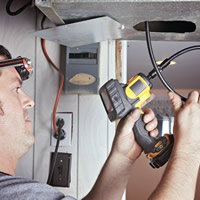
Dirty classroom air can slow learning and even make students and teachers sick. Find out how to improve indoor air quality or IAQ.
Hazardous materials incident protocols for schools.

Educational institutions face mounting risks from mold, asbestos and hidden underground environmental issues.
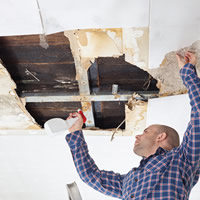
If you graded the indoor air in your buildings, would it pass or fail?

Lowering health risks enables students to learn better and teachers to teach more.

The Healthy Facilities Institute (HFI), in partnership with School Planning & Management and College Planning & Management magazines, held the first annual Healthy Facilities Award program. This special section highlights the standouts among the entries received.
The Healthy Facilities Institute (HFI), in partnership with School Planning & Management and College Planning & Management magazines, held the first annual Healthy Facilities Award program. This special section highlights the standouts among the entries received.
A survey conducted by Russell Research for the American Cleaning Institute and published towards the end of 2011. The study found that nearly 90 percent of children do wash their hands after using the toilet at school, but the numbers drop considerably from this healthy high point.

Why healthy schools don't cost — they pay.
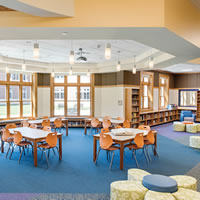
Research shows that students — as well as teachers — perform better when schools implement indoor air quality programs.
Deploying Ultraviolet-C technology maximizes infection control and protects student health across a community college campus.