Shared Energy Savings Partnerships
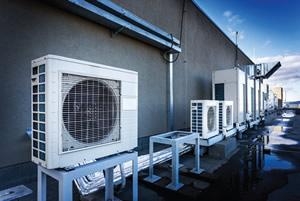 School divisions around the country are faced with trying to save every dollar they can. Educational resources and funding for maintenance and capital improvement funding is still lacking as the economy is still trying to recover. Many school divisions have had to be creative with how they can save money. It becomes a challenge to manage old infrastructure while trying to maintain low utility costs. Funds are not as readily available to replace aging equipment, such as heating, ventilation and air conditioning systems. Students and staff still require adequate learning spaces that are conducive to learning.
Balancing energy costs and maintaining equipment functionality continues to be very difficult. An energy shared savings program is offered through some vendors to school divisions. They can assist by identifying HVAC issues while offering the benefit of reducing energy costs. Advanced technology allows for diagnostics and networking data to be tracked. Equipment issues may be identified that may not be commonly discovered by direct digital control schematics. This type of program offers improvement for HVAC efficiency while helping to extend the life of the equipment. Validated energy savings are split between the two parties which benefits the school division and the vendor.
Another area that can be addressed is set points. Your vendor can work with your energy or facilities maintenance team to address set point issues. They can make adjustments to not only ensure comfort for occupants but to ensure energy savings. You can work together to make decisions about set points for particular areas and the operation schedules in school buildings. This is another area that a third-party vendor can assist in identifying issues and improving equipment efficiency.
 There are many challenges school divisions face that may justify serious consideration of this option. Inadequate staffing may be an issue. Some divisions outsource all services for HVAC work. Your school division may not have the funds needed to adequately maintain and diagnose your equipment. Your staff may also not have the comprehensive knowledge to diagnose and trouble-shoot issues. Some school divisions have limited staffing or capabilities for direct digital control and diagnostics. Utilizing a third party can be very beneficial by offering additional support assisting with diagnostics that save time, money, and resources. The equipment life can be extended when minor deficiencies are found and repaired.
Another question that needs to be asked is why should my school division participate in a program like this? Energy managers need to carefully examine monthly utility bills. There may be spikes and anomalies. Pay close attention to your energy costs per square foot comparing your energy costs to other school divisions in your region that have weather normalization capabilities. If your school division’s per-square-foot energy costs are much higher compared to other surrounding schools divisions, this may warrant some additional investigation in regards to energy expenditures and how school buildings are maintained. It makes sense to have a goal of high-performance and energy-efficient school buildings.
Every ounce of energy savings and equipment efficiency counts. Take pride in being a good steward of energy and your resources. School operating officials must continue to be creative and willing to be able to manage resources to their fullest potential. A third-party energy shared savings program may just help your equipment last longer and may also help your school division to save thousands of dollars in energy costs. The good news is that the savings can be used to compensate the third party if the school division chooses.
This article originally appeared in the issue of .
About the Author
John A. Bailey, Ph.D. is the director of School Plants for Chesapeake Public Schools and a National School Plant Managers Association board member, representing Virginia, and a Virginia School Plant Managers Association board member, representing Region II, in Virginia.