Auburn University Parking Deck Approved

A plan was recently approved for a five-story, 600-space parking deck at Auburn University in Auburn, AL. The project will add parking spaces for faculty and staff, for the University Hotel and Dixon Conference Center, and for students studying at the library or attending classes.

The university will also be working in collaboration with the city of Auburn to install a median and wider sidewalks, which will provide safer access to the new garage. The new garage will also increase the existing parking in the area by 400 spaces.
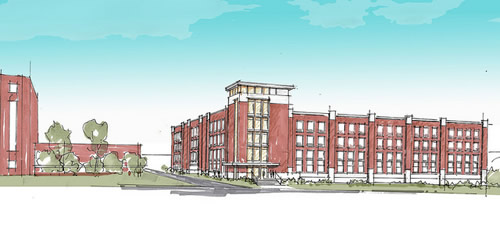
Auburn Parking Deck

Featured

  • concentric silhouettes of a human head

    How Physical Space Shapes the Mind: Designing for Better Learning Outcomes

    Research in environmental psychology and neuroscience increasingly suggests that the way a room is designed can influence memory, focus, or even a student's sense of belonging.

  • Indiana Wesleyan University Schedules Grand Opening for New Welcome Center

    Indiana Wesleyan University recently announced that it will soon open a new Welcome Center on its campus in Marion, Ind., according to a news release. The facility will serve as the home base for prospective students and their families to learn more about the university and student life there. A ribbon-cutting ceremony is scheduled for February 19.

  • UCNJ Launches $30M Modernization of Physical Education Center

    The Union College of Union County (UCNJ) in Cranford, N.J., recently broke ground on a new $30-million modernization project for its Physical Education Center (PECK), according to a news release. The college partnered with DIGroup Architecture for the project’s design, transitioning the existing 42,000-square-foot structure into a campus hub for student athletics and campus life.

  • Different Starting Points, Same End Goal

    Higher education campuses can enhance student experience by implementing mobile credentials to streamline building access, on-campus payments, and access to other amenities. This enables students to connect to their campuses through the technology they use most: their mobile devices.

Digital Edition