Kansas City Art Institute Breaks Ground on Paul and Linda DeBruce Hall

KANSAS CITY, MO – The Kansas City Art Institute (KCAI) broke ground in April on an 18,000-square-foot, $30-million building, the Paul and Linda DeBruce Hall. Designed specifically for art history, creative writing, entrepreneurial studies, liberal arts, and student services, Paul and Linda DeBruce Hall will impact every student at the college and will elevate the profile of KCAI’s academic programs in a state-of-the-art facility.
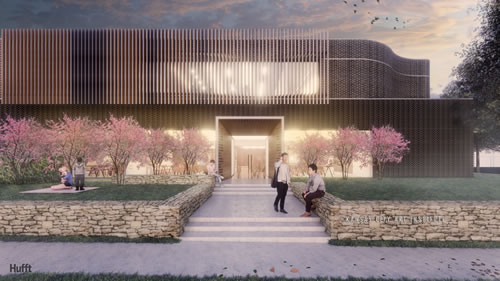
Kansas City Art Institute

A unique architectural feature of the Hall will be the entry portal. Visitors will enter through a portal adorned with panels, each engraved with the name of influential art historians of the past and present. The entrance will become a tribute to the individuals who have interpreted and written about art and artists for future generations.

The Hall is designed by Kansas City-based architecture firm Hufft. Award-winning landscape architects Hoerr Schaudt will design the expansive outdoor spaces and Kansas City construction company McCownGordon will build the facility.

Construction is expected to finish in August 2020.

Featured

  • Opportunity by Design Framework

    Opportunity by Design

    Educational improvement efforts often focus on curriculum, instruction, assessment, professional development, and intervention systems while treating the physical school building as background. But school design is not a passive backdrop to learning — it is a structural lever for equity.

  • Tomball ISD Opens New Tomball West High School

    Tomball Independent School District in Tomball, Texas, recently celebrated the official opening of Tomball West High School, the district's third comprehensive high school, with a community ribbon-cutting ceremony, according to a district news release.

  • Growing Allied Health Workforce Demands Fueling Greater Need for Higher Education Facilities

    With the demand for healthcare professionals at an all-time high, colleges and universities are challenged with supporting the workforce demands in their own communities. Careers in allied health generally require specific training and/or certification, with some positions requiring degrees, certified credentials, and continuing education.