Lab Equipment Company Features Ductless Fume Hood

HEMCO, a laboratory equipment manufacturer, released its CleanAire II Ductless Hoods. The hood is designed to meet DH I requirements as defined by SEFA 9.
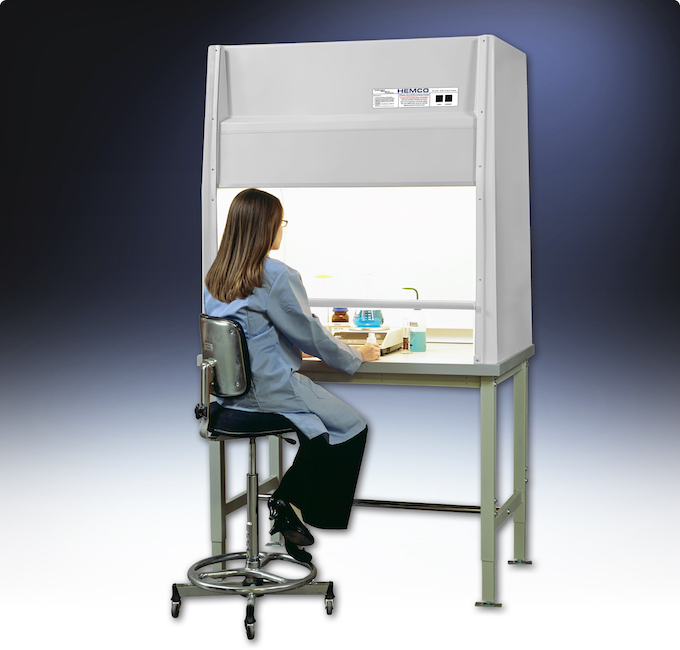
CleanAire II Ductless Hoods

The hood features:

  • a built-in carbon filtration system to adsorb non-toxic fumes and odors,
  • an integral blower,
  • a vapor proof light and;
  • fan and light switches.

The hood is made of fire-retardant fiberglass “with a molded one-piece seamless interior fume chamber.” The carbon filter adsorbs the fumes and then re-circulates the air back to the laboratory. It does not require duct or venting to outside.

The hood is available in 24”, 30”, 35”, and 47” models. The product is shipped completely assembled and ready for operation.

About the Author

Yvonne Marquez is senior editor of Spaces4Learning. She can be reached at [email protected].

Featured

  • Phoenix School District Breaks Ground on New Prep Academy

    The Creighton Elementary School District near Phoenix, Ariz., recently broke ground on a campus replacement for Biltmore Preparatory Academy, according to a news release. The new space will allow the school to expand its enrollment by 50 percent for K–8 students and accommodate modern, collaborative learning styles.

  • University of Oklahoma Announces New Campus Master Plan

    The University of Oklahoma in Norman, Okla., recently announced that it will soon launch a new, comprehensive Campus Master Plan to guide the campus’ physical development during the next decade, according to a news release.

  • Full Sail University Announces First Student Housing Facility

    Full Sail University in Winter Park, Fla., recently announced that development has begun on its first student housing community, according to a news release. The university is partnering with Nvision Development for construction and long-term management of the facility, which will stand five stories and have the capacity for more than 570 beds.

  • Doerr School of Sustainability Accelerator

    From Concrete Warehouse to Innovation Hub: Accelerating Sustainability at Stanford

    The transformation of a once windowless, concrete publishing warehouse into a sun-drenched center for global innovation began with a single, fundamental challenge: how to turn an industrial storage shell into a space built for human connection.