Five minutes with Bill Payne, CEO of Fanning + Howey.
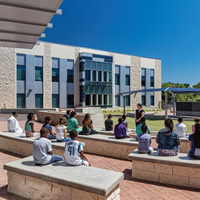
An integrated approach to sustainability.
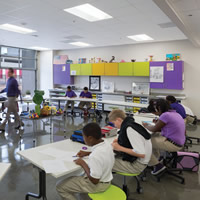
Designing to impact student achievement.
Does "out with the old, in with the new" apply to your campus buildings?
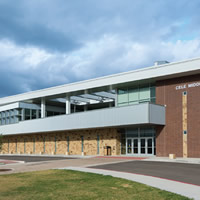
Design reflects growing trend toward sustainable solutions and hands-on learning environments.
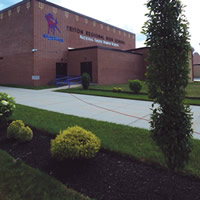
Creating a true community place where everyone feels welcome.
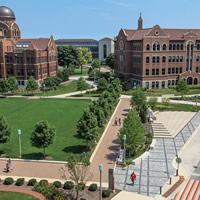
Campus exteriors provide the initial impression of any college or university. These outdoor spaces can impact recruitment, retention, town/gown and alumni relationships and much more.
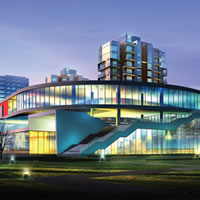
Harnessing novel Building Information Modeling methods for better campuses and facilities.
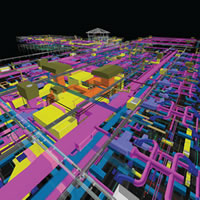
Building Information Modeling can help manage building construction, operations and maintenance.
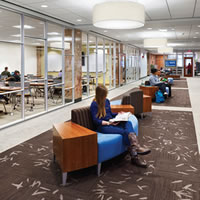
Architects are changing the way they design spaces to better match the way students learn.
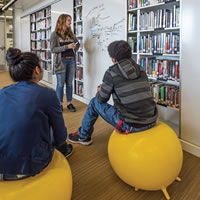
Are your students engaged and excited about learning? Lecture versus hands-on exercises. Static desks versus swivel chairs and Hokkie Stools. Industrial Age versus 21st Century design. What does your high school look like? And how engaged are your students?
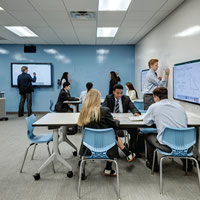
Planning strategies to support future pedagogies

Rethinking educational design for a new generation of learners.
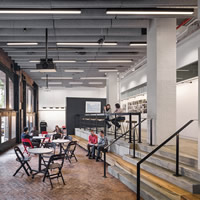
From loading docks to libraries, evaluating space and leveraging resources is essential to good planning — and to unlocking value on campus.
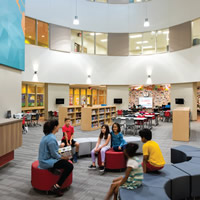
Active planning of facilities is critical for all school districts, no matter the size.