 College of Western Idaho Agricultural Sciences Complex
 College of Western Idaho Agricultural Sciences Complex
 College of Western Idaho Agricultural Sciences Complex
 College of Western Idaho Agricultural Sciences Complex
 College of Western Idaho Agricultural Sciences Complex
 College of Western Idaho Agricultural Sciences Complex
 College of Western Idaho Agricultural Sciences Complex
 College of Western Idaho Agricultural Sciences Complex
 College of Western Idaho Agricultural Sciences Complex
 College of Western Idaho Agricultural Sciences Complex
Project Information
Facility Use: Higher Education
Project Type: New Construction
Category: Whole Building / Campus Design
Location: Idaho
District/Inst.: College of Western Idaho
Chief Administrator: Aaron Whitman, Director of Planning & Construction
Completion Date: n/a
Gross Area: 15,000 sq. ft
Area Per Student: 60 sq. ft
Site Size: 35 acres
Current Enrollment: 8,500
Capacity: 250
Cost per Student: $68,000
Cost per Sq. Ft.: $1,133
Total Cost: $17,000,000
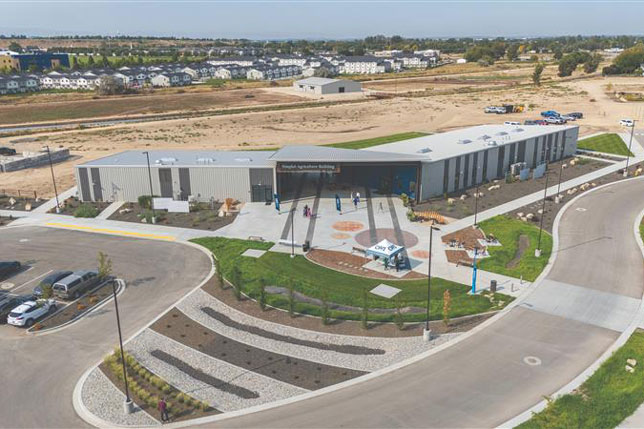
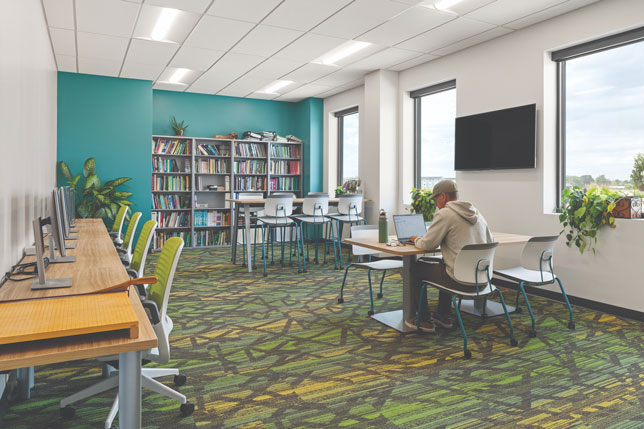
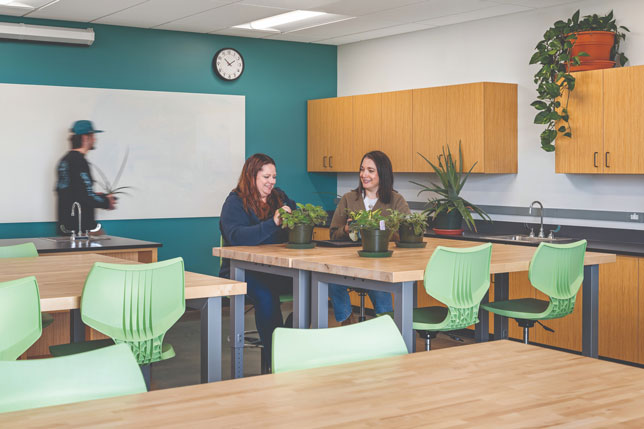
The College of Western Idaho's Agricultural Sciences Complex is a 35-acre campus dedicated to hands on education and training in horticulture, landscape design, floral science, and animal science. Located in Nampa, the site was thoughtfully planned to support a dynamic mix of indoor and outdoor learning environments. The complex includes an animal science barn, a horticulture greenhouse, a shop, a student designed arboretum, and the Simplot Agriculture Building, which houses classrooms, laboratories, offices, and student collaboration spaces.
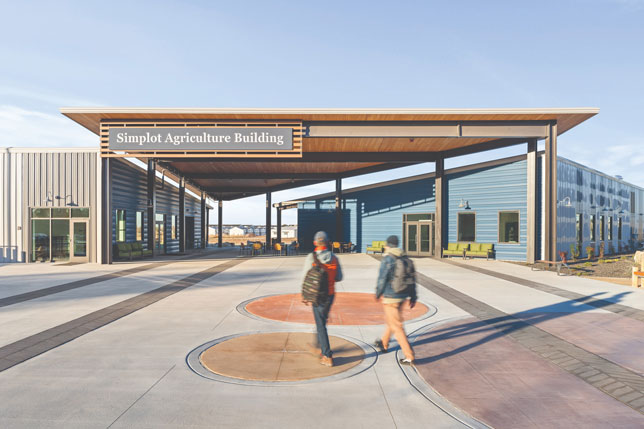
Situated north of the main campus and separated by a canal, the site's history as active agricultural land made it a natural fit for the program. With a strong emphasis on placemaking, the landscape design honors both the past and present of agriculture through details such as tractor tread patterns in the entry plaza and planting beds inspired by crop circles.
The site functions as part working farm, part classroom, and part food incubator, allowing students to engage directly with the full cycle of agricultural education. A public facing farm store enables students to sell products they produce and host farm to table events, extending learning beyond the classroom into real world applications. The design promotes seamless connections between instruction, research, hands on practice, and industry partnerships.
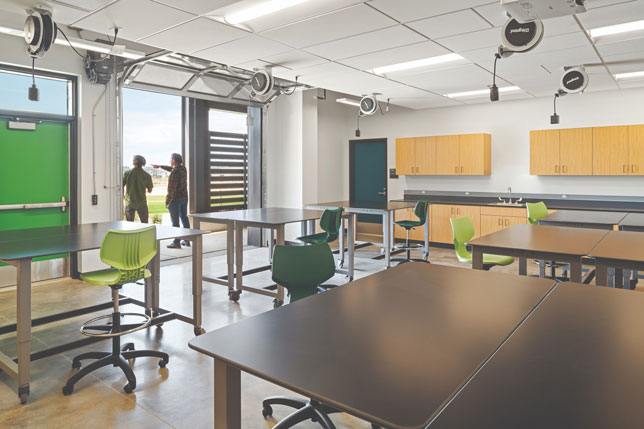
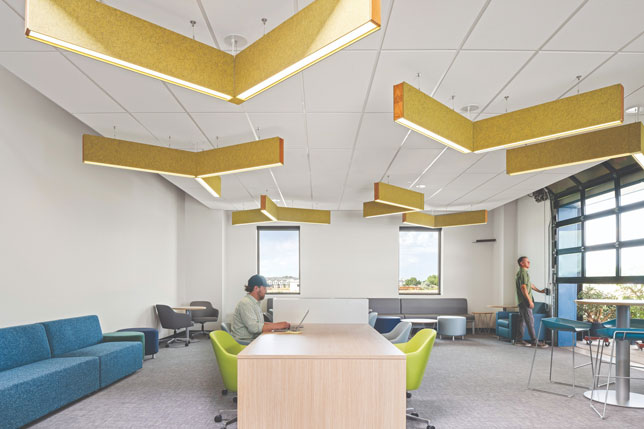
A compressed project timeline influenced the design approach, leading the team to incorporate pre-engineered structures that allowed for efficient construction while maintaining high quality. Flexibility was a key priority, with buildings designed to adapt to evolving programs and student needs while maintaining a strong connection to the surrounding landscape. Features such as glass overhead doors allow classrooms to open directly to the outdoors, while movable partition walls enable spaces to adjust for different class sizes or event needs.
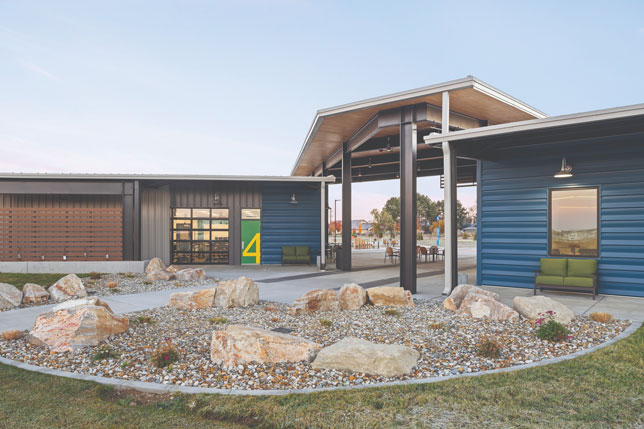
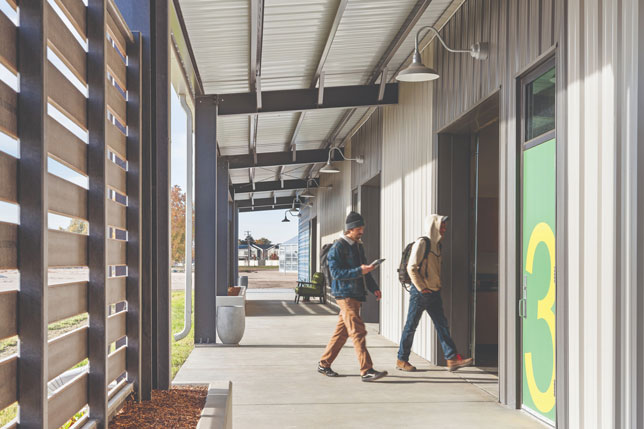
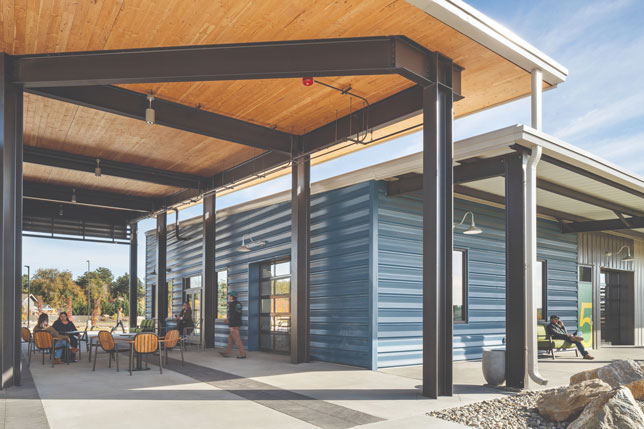
User engagement highlighted the importance of outdoor learning experiences, and the design maximizes visual and physical access to agricultural and animal plots. A covered front porch along the learning wing provides space for collaboration and hands-on activities, while practical elements such as showers, lockers, and storage areas support the transition between fieldwork and classroom use.
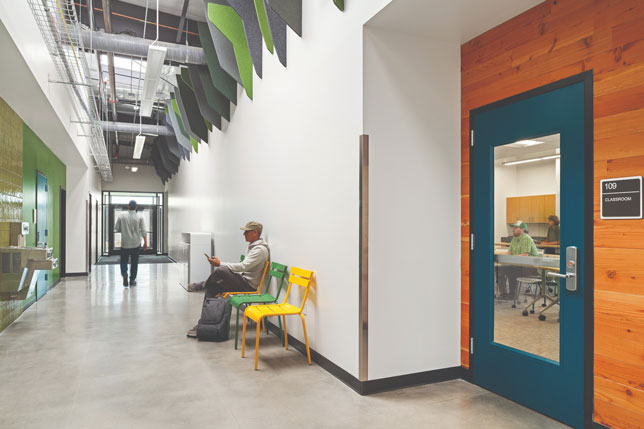
Biophilic design strategies further reinforce the connection to nature. Seed inspired acoustic lighting, natural material palettes, and wood accents create a warm and grounded atmosphere. Tree canopy inspired acoustic baffles and skylights in the building's core mimic the natural movement of light and shadow throughout the day. Infrastructure is also in place to support future experiential learning features such as a living wall for studying urban agriculture and pollinator habitats that can be viewed from indoors.
The Simplot Agriculture Building is composed of two academic wings connected by an open canopy structure that forms an outdoor gathering space. This design expands the student commons while emphasizing the connection between academic learning and the surrounding landscape. The entrance sequence, inspired by garden walls, creates a welcoming gateway that guides visitors through the building and out to the agricultural workspaces.
The facility balances academic functionality with public engagement. It supports students and staff with flexible classrooms, laboratories, and workspaces while providing a venue for community events, workshops, and seminars, integrating the full range of agricultural education into one cohesive campus experience.
Architect(s):
Cushing Terrell