Construction has begun on a new academic building, Milgard Hall, on the campus of the University of Washington Tacoma in Tacoma, Washington.
School and public officials celebrated a groundbreaking ceremony this week on a new academic building for Clinton High School in Clinton, Iowa. The groundbreaking marks the start of a campus overhaul that will occur in phases, and the full scope of the $66.8-million project is scheduled to be complete by fall 2025.
Baker Technical Institute, a technical college whose main campus is in Baker City, Ore., announced this week that it’s opening a second location in Prineville, Ore., about 200 miles west. The institute will open next month to provide career and technical training to Central Oregon residents to meet the needs of skilled labor in the area.
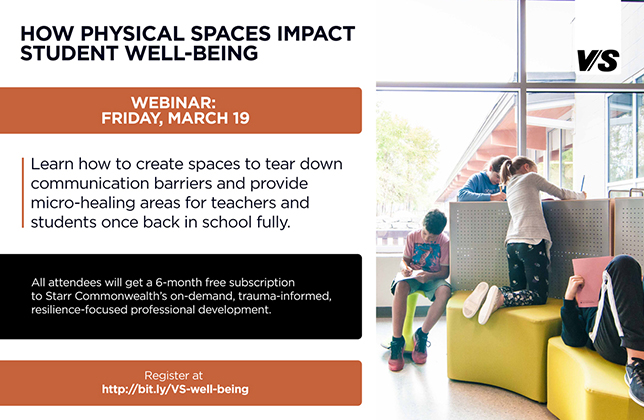
VS America, a full-service manufacturer of school and office furniture, will host a webinar on Friday, March 19, discussing the opportunities and obstacles facing students as they return to school. The conversation will feature four panelists and focus on the impact of physical learning spaces on students’ mental and emotional well-being.
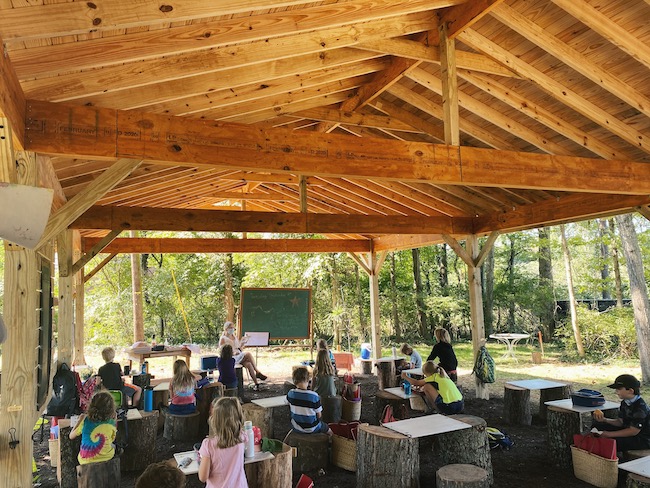
With a curriculum centered on connection to nature and environmental stewardship, Linden Waldorf School's vision for the pavilions were to move all classes completely outdoors where students get to be in nature throughout the whole school day.
MiEN Company, a furniture company serving the education industry, debuted four new furniture products to help institutions outfit active learning spaces.
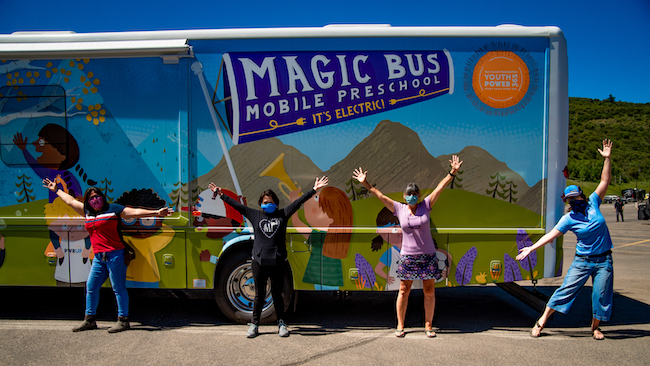
A Colorado non-profit will launch a mobile preschool experience in October for families with children ages 3 to 5 years old who do not attend a traditional preschool program.

The three-story, 75,000 square-foot expansion and renovation of the campus provides added capacity to a rapidly growing population in the Northwest Independent School District. The project was headed by Perkins & Will.
Middle school students began classes on Monday at the newly constructed building at Roberts Academy, a private school for students with dyslexia.
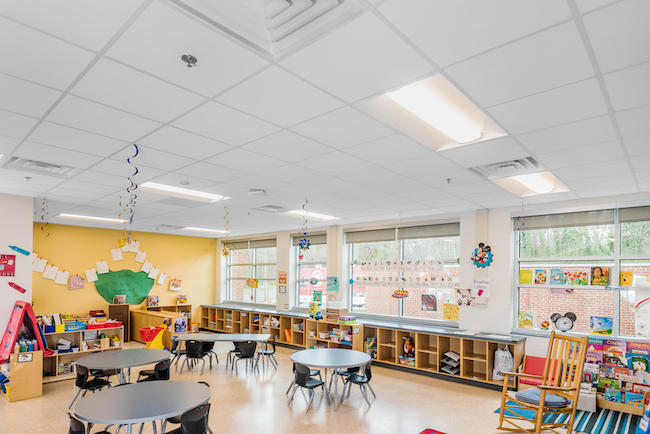
If there is not enough sound absorption in spaces for learning, they are overly loud, reverberant and stressful; not an environment conducive for effective education. Up to one of every four words cannot be understood by students in many classrooms, according to guidelines by the Acoustical Society of America.
Texas A&M said it would convert non-traditional spaces into classrooms for the fall semester, which starts on Aug. 19.
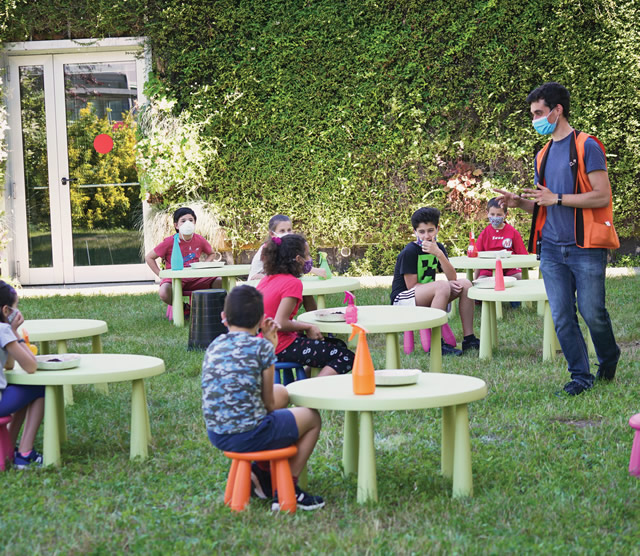
When students finally return to school after months of learning from home, there will be dramatic changes. Even when K-12 leaders are allowed to reopen their facilities, doing so safely and responsibly will require everyone to maintain proper distancing while they’re at school, experts agree — at least until there is a working vaccine for the COVID-19 virus.
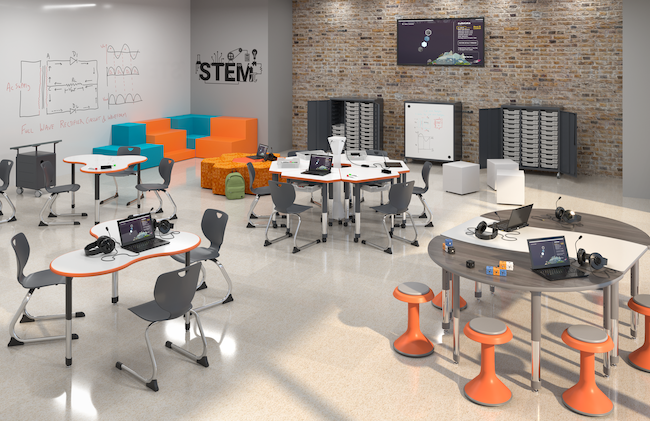
Even before COVID-19 forced K-12 leaders to rethink the design of school spaces, versatility was an important design element for classrooms and other instructional environments. Once life returns to normal, versatility will continue to be a critical design element.
The Department of Public Instruction recommends smaller class sizes, alternating school-day schedules, and providing mental health support for students and staff.
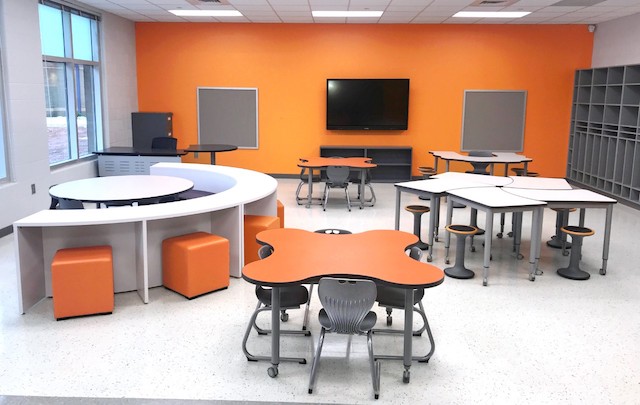
Here are five tips that all K-12 schools can use to break out of the one-size-fits-all classroom furniture model and create modern, engaging spaces for 21st Century learners.
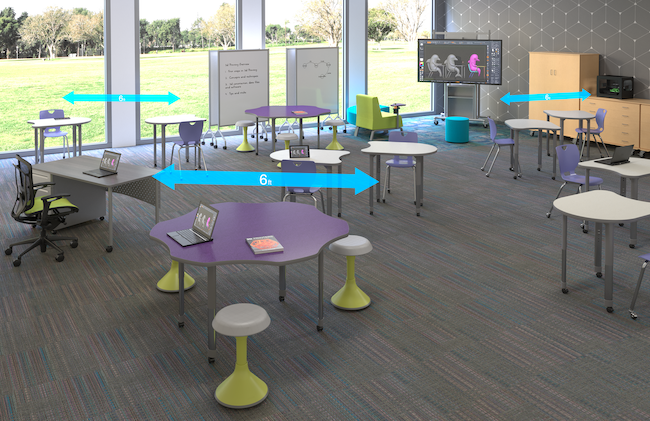
The design of the learning space will play a critical role in enabling active learning to occur in a responsible manner.
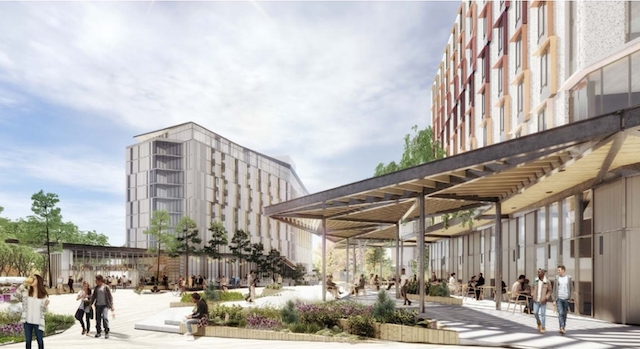
While the University of California San Diego has put some projects on hold due to financial constraints introduced by the pandemic, the university is forging ahead with construction work on its North Torrey Pines Living and Learning Neighborhood and planning for its Future College Living and Learning Neighborhood.

Why address comfort in the design of a learning space? When students are physically comfortable, they’re more at ease: They can relax, block out negative thoughts and focus more effectively on instruction.

We asked designers and architects from across the country what they anticipate classrooms will look like in the fall if they were to reopen, how the coronavirus will impact school design in the long-term, and suggestions on design concepts schools can implement right away to help with social distancing in facilities. Their answers offer insight to available design options and possibilities that can help school leaders plan and make the best decisions for their students and staff.
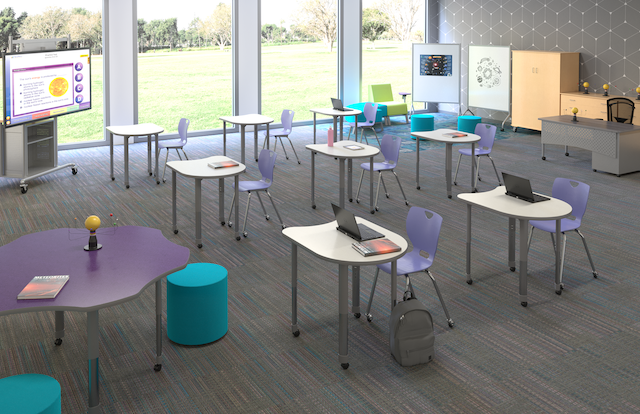
As you rethink the design of educational spaces and structures to keep your communities safe and healthy when schools reopen, here are some possible strategies and issues to consider.
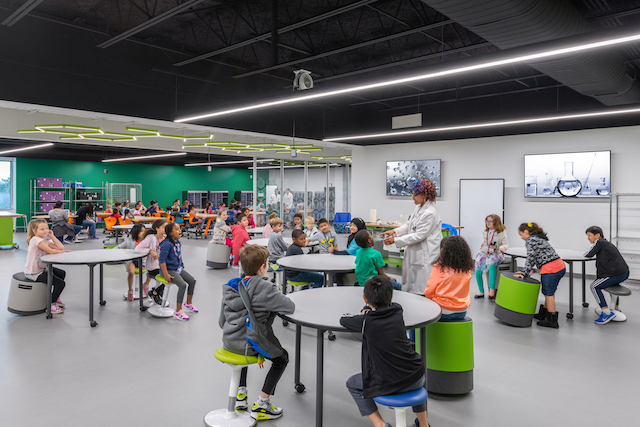
When students return to school at Richardson Independent School District near Dallas, Texas, they will be able to utilize a brand-new state-of-the-art STEM facility that is open to all K-12 students in the district. Designed by Perkins and Will, the Berkner STEM Exploration Center was created for students of all ages.
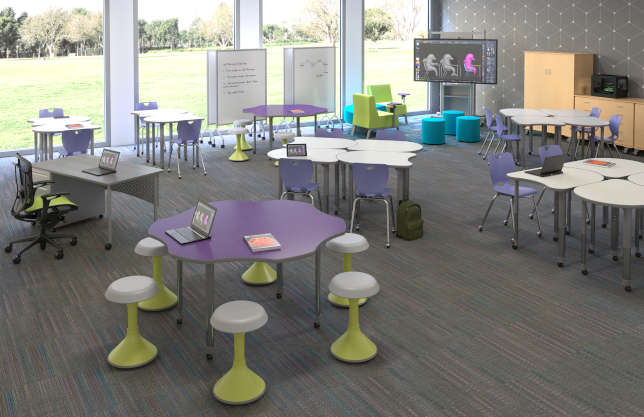
Teaching and learning are undergoing significant transformation, but, by and large, the design of classrooms has not transformed at the same rate. Here are six key elements of a modern and highly engaging learning space that both supports and encourages 21st century learning: choice, comfort, versatility, connection, stimulation and technology.
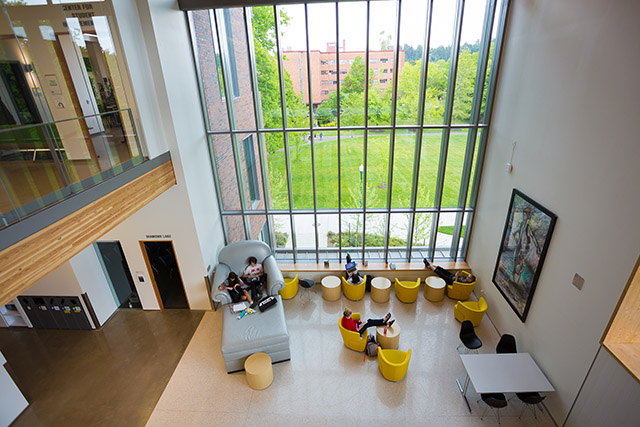
Learning is no longer restricted to the classroom or the library. Increasing the use and appeal of the space in between classrooms and other traditional learning environments can play a key role in teaching and learning.

In this episode, Todd Ferking of DLR Group talks about education design that is geared toward the future.
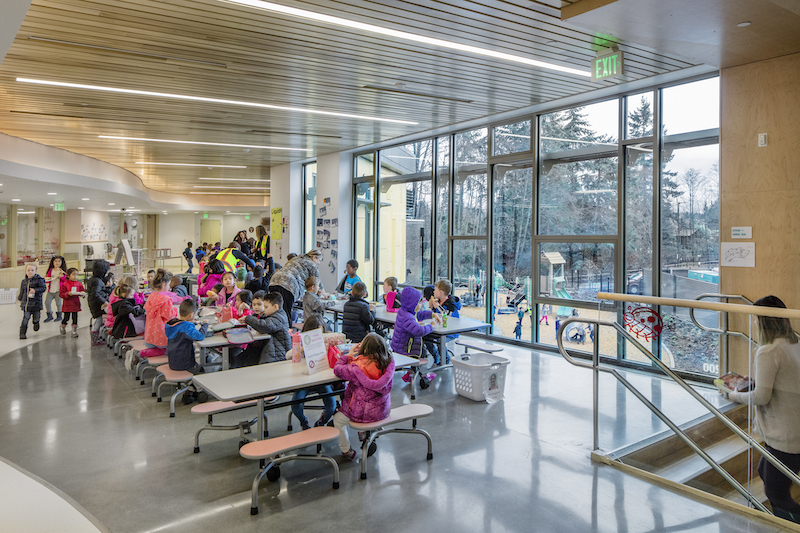
Just as Winston Churchill once said, “we shape our buildings and thereafter they shape us,” designers must consider how education environments of the next decade will shape student behavior.
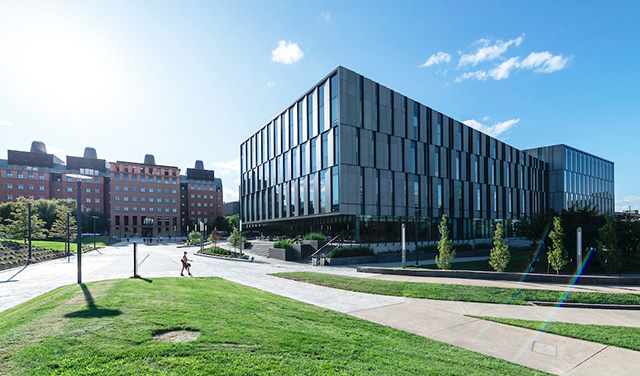
How can good design contribute to better campus life? The opening of the Carl H. Lindner College of Business at the University of Cincinnati unlocked a new view to the future.
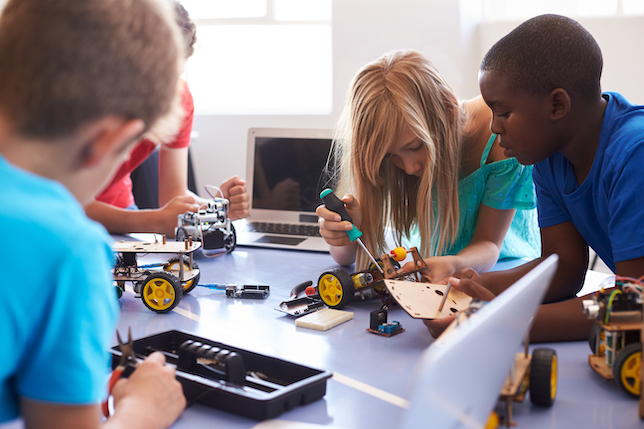
Science, technology, engineering and mathematics are crucial parts of today's curriculum. When it comes to maximizing learning outcomes, many schools focus on the equipment and technology available. However, design also has a significant impact.