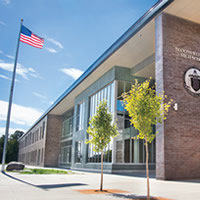
Bloomfield Hills Schools administrators have built a learning ecosystem that includes three learning ecosystem elements — flexible furnishings, engaging technologies and collaborative spaces.

Leveraging Community Sustainability in Schools
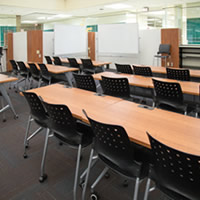
Making the move from library to media center.
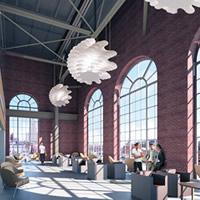
Encouraging the exchange of knowledge in informal as well as formal gathering places is redefining and shaping the physical spaces in which teachers teach and students learn.
What seems like a simple process can get complicated.
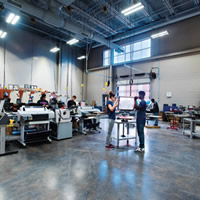
While technology in itself does not create learning collaboration, the presence and access to technology is at the core of collaborative partnerships in education today.
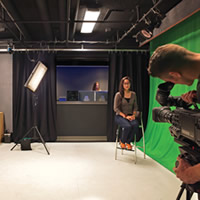
The impact of media and technology on learning spaces continues to evolve. In St. Louis, these cutting-edge spaces are fostering creativity and learning.
Most high schools are designed with a cookie-cutter approach “that can be reproduced easily,” architectural intern Ashley Smith believes. But that’s not the case with the new THINC College & Career Academy in LaGrange, Ga.
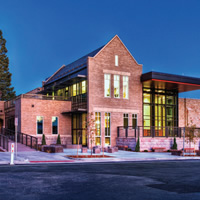
Building a wide-open student experience at the Colorado school for the deaf and the blind.
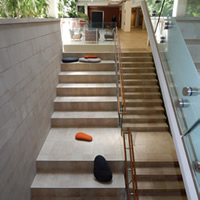
Skillfully designing and furnishing student-centered spaces, such as living-learning residence halls, student unions and common areas, can encourage positive and productive interaction.
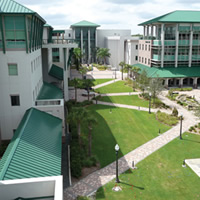
A life-cycle cost analysis is an important tool when acquiring, owning, operating and disposing of buildings and systems on a campus.
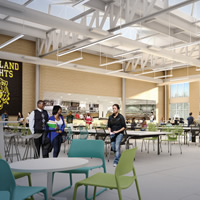
Creating a captivating, stimulating learning environment.
A one-of-a-kind, 21st-century learning facility.
The data on multi-story vs. single-story schools.

The Schneider Center at Wellesley College has undergone a renovation that has restored its value and historic roots.
Colleges and universities have always treated learning environments as crucial ingredients in the academic experience they create for students, faculty and researchers.