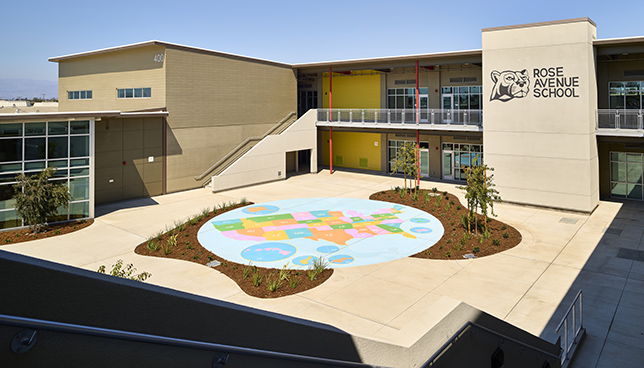
Fostering independence is fundamental to learning and development for K–12 students. It offers many proven benefits, such as enhanced confidence, problem-solving, decision-making, and social skills. However, this foundational objective loses its impact if it’s not accessible and adaptable to all students. Inclusivity plays a critical role in cultivating independence and healthy autonomy for students, fostering positive student learning outcomes by uniting pedagogy with the physical learning environment.
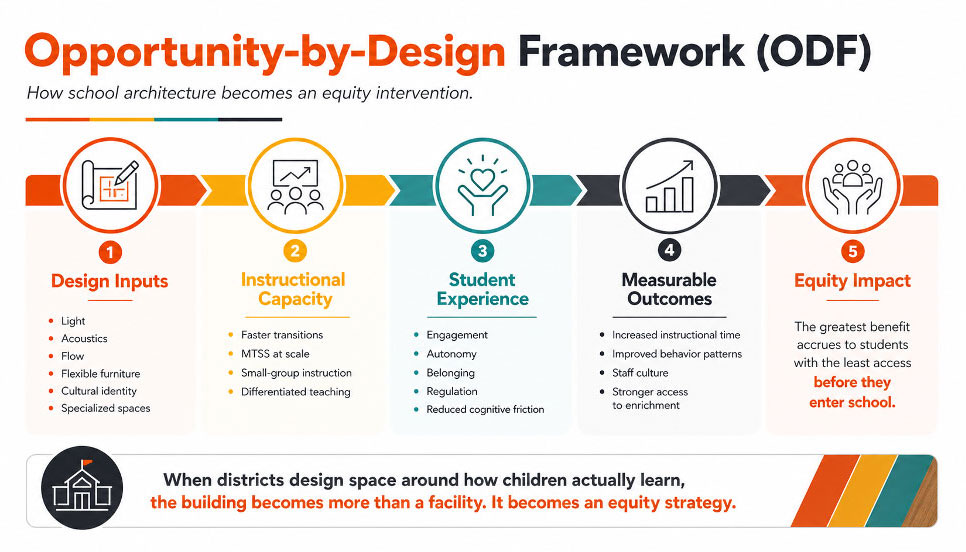
Educational improvement efforts often focus on curriculum, instruction, assessment, professional development, and intervention systems while treating the physical school building as background. But school design is not a passive backdrop to learning — it is a structural lever for equity.
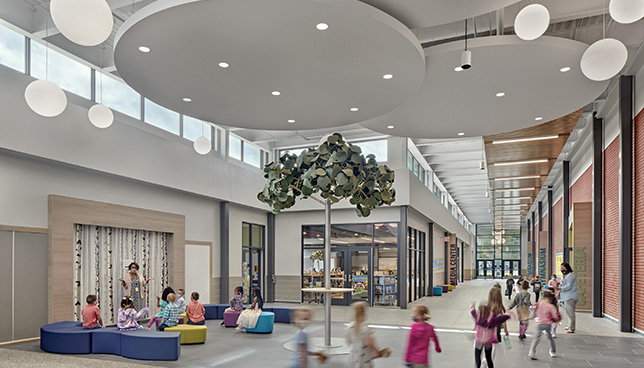
Most students move through three or more separate facilities during their K-12 journey, yet the built environments they encounter at each stage have traditionally been designed in isolation, with little continuity in spatial language, learning philosophy, or physical resources. Each new school is a reset with different layouts, learning models, expectations, and ways of moving through a building. The next generation of school design is making the case that the first day of kindergarten and the last day of high school can and should feel connected through common support systems and infrastructure in the physical environment.

As school districts race to introduce AI into classrooms, administration, and curriculum planning, another conversation is happening behind the scenes: How prepared are school facilities themselves for the operational demands AI will create?
Portland Public Schools in Portland, Ore., recently announced that construction has begun on a modernization project for Cleveland High School, according to a news release. The existing building will be replaced with a new, 300,000-square-foot facility at the same site.
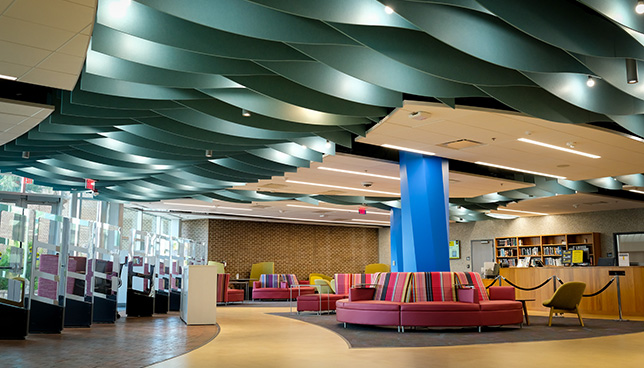
In 2026, education is evolving faster than ever. With AI reshaping everything from lesson planning to personalized instruction, schools and universities are turning their attention to what AI can’t replicate: spaces that foster collaboration, community, and creativity.
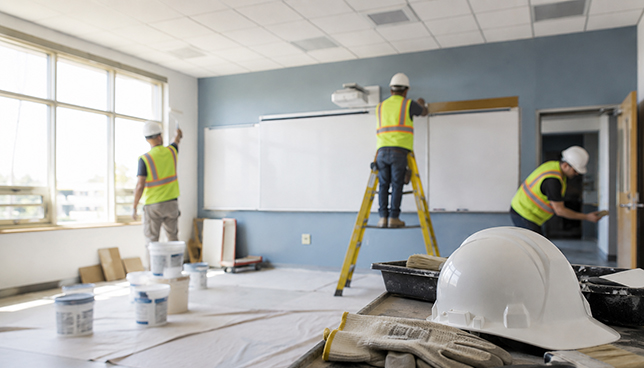
Warmer weather and longer days make summer the ideal time for construction and modernization projects at educational facilities. School boards and construction firms must coordinate effectively to ensure that these projects do not extend even a single day into the school year and impede classroom operation.
Indiana University recently held a ribbon-cutting ceremony for the new IU Capital Campus in Washington, D.C., according to university news. The eight-story facility will provide a central hub for the university’s existing programs and business operations based in D.C., uniting them under one roof and providing the opportunity to expand.
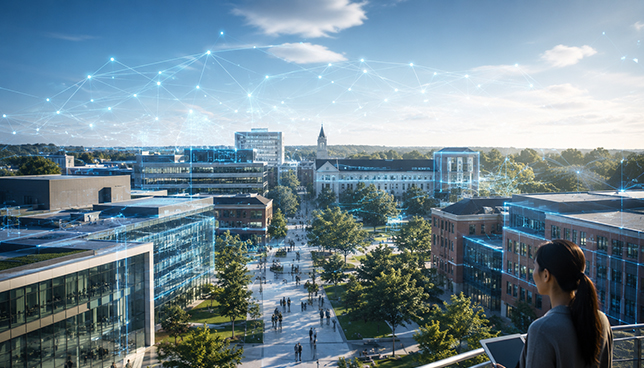
Higher education leaders are being asked to make increasingly high-stakes decisions about campus facilities amid greater uncertainty than ever before. Social and economic pressures, shifting enrollment, and evolving learning models compete with growing deferred maintenance needs to strain even the most robust infrastructure budgets.
The Creighton Elementary School District near Phoenix, Ariz., recently broke ground on a campus replacement for Biltmore Preparatory Academy, according to a news release. The new space will allow the school to expand its enrollment by 50 percent for K–8 students and accommodate modern, collaborative learning styles.
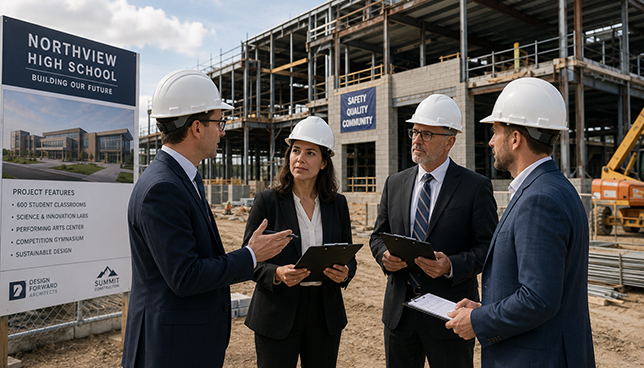
In this climate, the owner’s representative has changed from a delivery-focused advisor to a strategic campus partner. Institutions are increasingly relying on owner’s reps not just to manage, cope, schedule, and budget, but also help evaluate whether a project should proceed at all.
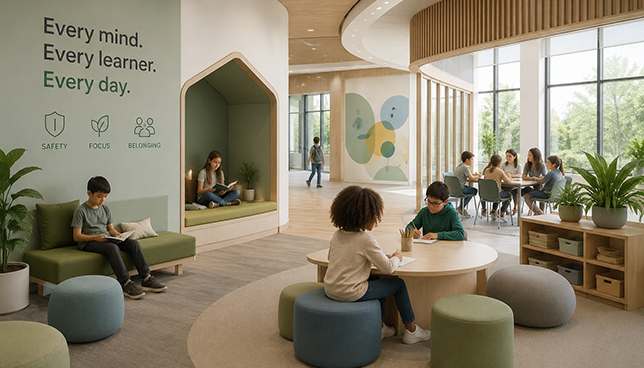
Learning environments have the power to shape not just what students know, but who they become. When a school is designed with genuine empathy—for the full range of ways students think, sense, and engage with the world—it becomes more than a building. It becomes a catalyst for growth, confidence, and belonging. That is the animating idea behind neurodiverse design, and it is one that is transforming how more architects and designers are thinking about school design.

Multipurpose gyms work because flexibility was built into the brief from the start, not retrofitted later. The same logic applies to academic spaces.

Academic performance is not just about preparation. It is closely tied to how students manage stress, maintain their energy, and shift between work and recovery modes. Much of that is influenced, directly or indirectly, by design.
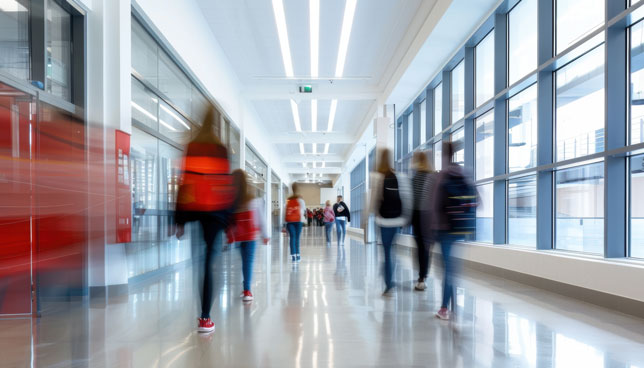
The environments where students learn play a crucial role in shaping their growth in and out of the classroom. By centering design on well-being, flexibility, and purpose, districts can ensure their facilities remain vibrant community assets for many years to come.
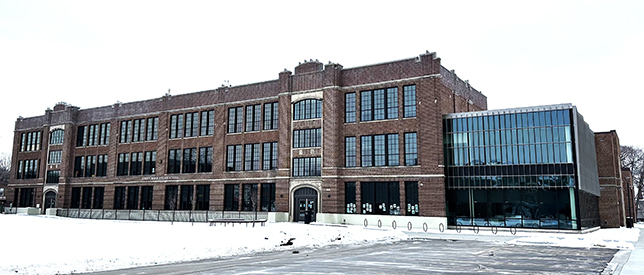
St. Paul Public Schools in St. Paul, Minn., recently announced the completion of a $49.7-million addition and remodeling project at two district schools, according to a news release.
The University of Oklahoma in Norman, Okla., recently announced that it will soon launch a new, comprehensive Campus Master Plan to guide the campus’ physical development during the next decade, according to a news release.
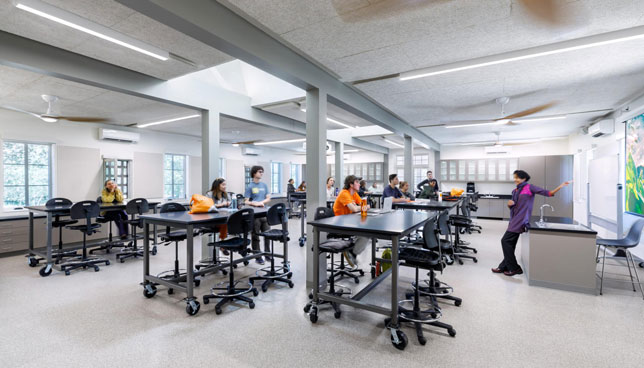
Higher education will continue to evolve, and learning environments must evolve with it. By prioritizing adaptable infrastructure, thoughtful reuse, strong energy performance, and wellness-centered design, campuses can create spaces that support learning today while remaining flexible for the future.
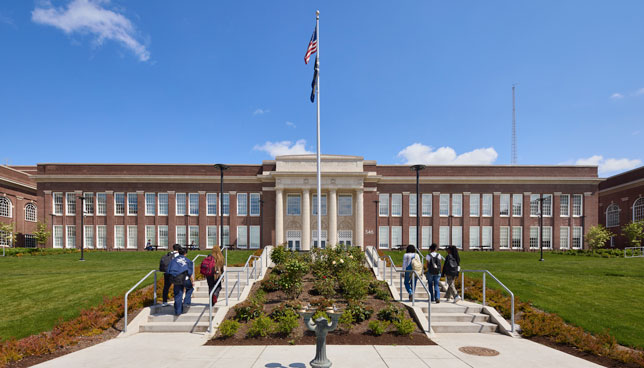
As historic academic buildings age, institutions face a difficult decision: preserve and adapt or demolish and rebuild. How do we honor the legacy of these spaces while adapting them to meet the needs of modern learners?

We asked, you answered, and the results are in! Last year, we put out a call for submissions to collect our readership’s opinion on trends and predictions for K–12 and higher education facilities in 2026.

As universities enter the new year, the question is no longer whether digital transformation is necessary, but how quickly institutions can convert technological potential into strategic advantage.
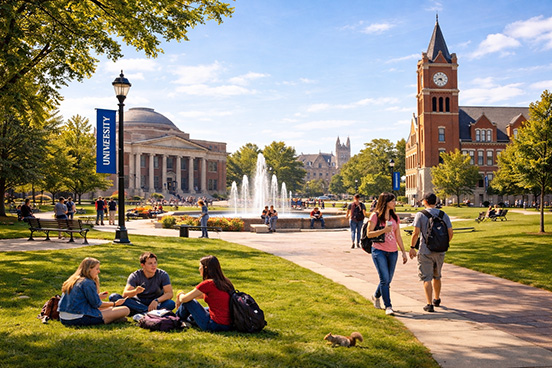
Across the country, public universities and community colleges are accelerating investments in healthcare education facilities as part of a broader strategy to address workforce shortages, modernize outdated infrastructure, and expand clinical training capacity. These projects, which are often located at the center of campus health and science districts, are no longer limited to traditional classrooms.
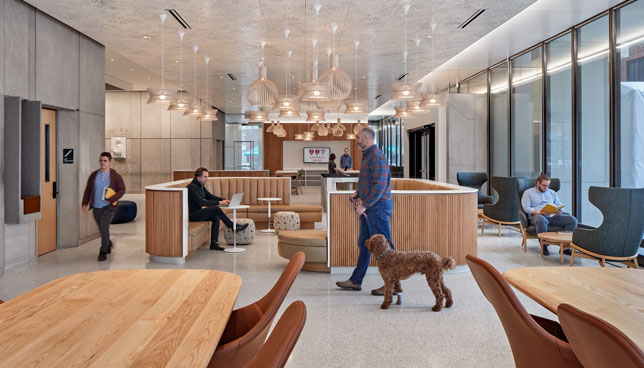
The renovation of Countway Library at Harvard Medical School demonstrates how biophilic design and advanced lighting strategies transformed a formerly dark, insular space into a vibrant, welcoming hub that supports wellness, learning, and community engagement.

Can the color of a wall, the curve of a chair, or the hum of fluorescent lights really affect how a student learns? More schools are beginning to think so.
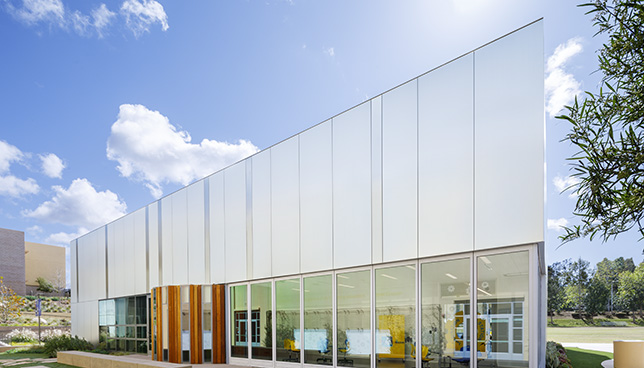
Operable glass walls provide a dynamic solution for educational spaces. They align with today’s evolving teaching methods and adapt to the needs of modern learners. Beyond the functional versatility, movable glass walls offer clean, contemporary aesthetics, slim and unobtrusive profiles, and versatile configurations that cater to the evolving needs of students and educators alike.

Research in environmental psychology and neuroscience increasingly suggests that the way a room is designed can influence memory, focus, or even a student's sense of belonging.
In today’s education landscape, schools are more than just centers for learning; they are integral to the holistic development and well-being of students. The global pandemic underscored the importance of addressing mental health in schools, as productivity dropped, stress levels rose and students faced challenges managing emotions.
KI Wall attended NeoCon 2025 in Chicago, Ill., last month to showcase its new architectural wall systems and collaborations, according to a news release. Its customizable, design-forward wall solutions are intended to support creativity in work, education, and healthcare environments.
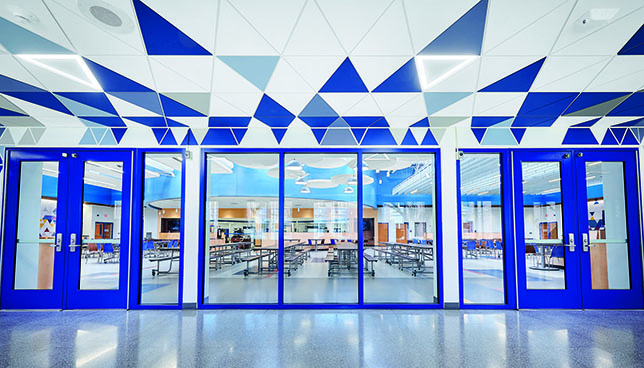
In recent years, the educational world has gained greater appreciation for the ways a space’s aesthetics, just like its acoustics, can positively impact educational outcomes. Consequently, engineering, designing, and constructing a school environment demands acoustics to be equally an art and a science, requiring architects and designers to see with their ears, while acousticians must hear with their eyes.

Since the onset of the COVID-19 pandemic, office-to-alternative-use conversions have become a recurring subject of urban development discourse. Office utilization rates across major U.S. cities remain below 50%, with vacancy rates exceeding 27% in San Francisco and 16% in New York. Higher education facilities present programmatic and spatial use cases that align readily with the typical characteristics of commercial office buildings.